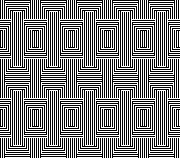
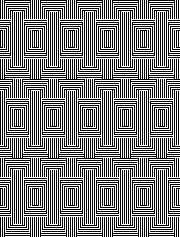
I have grown fond of playing with ArahPaint’s functions: guess weave from grid, and drawing in repeat, and am constantly amused by the speed with which most design repeats and color separations can now be drafted when compared to the very first efforts in the days of anyone trying to use Excel spreadsheets to accomplish the same tasks.
Drafts designed for handweaving provide endless inspiration for knit design.
In conjunction with ArahPaint, Gimp remains a frequent go-to as well, along with Numbers for Mac for when spreadsheet tables meet charting or design needs.
The programs are free, there is no need to purchase expensive design programs in order to develop DIY motifs.
Developing tiled repeats suitable for multiple stitch types, including tuck , offered some repeats that began with geometric blocks built with squares, rectangles, and lines, some of which are suitable for punchcard knitting.
Many are included here again to serve as a cumulative collection of possible springboards for use as is or for developing more personal variations.
A reminder: the pngs below were saved as indexed, B/W files.
When downloaded, they may be converted automatically to RGB mode.
Prior to downloading any to machines, check their image mode, and if it is RGB, convert it back to B/W indexed. The pixel dimensions text for designs suitable for punchcard machines are highlighted in a different color.
More repeats are available in the post on Working with diagonal patterning in machine knitting
Larger pngs may be subdivided to change their appearance or alignment of specified numbers of cells.
To begin with, cells may be filled in any color, with mode and color changes to indexed BW if for electronic download
8X8 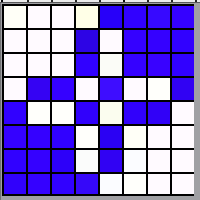 punchcard full repeat
 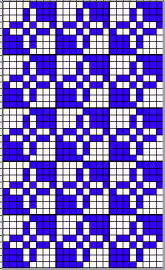 its png
 12X12
12X12

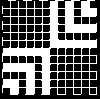 visualized drawn in repeat X12
 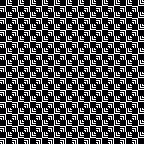 and modified using drawing X12 in random repeat for use in electronic machines
 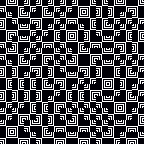 introducing dotted squares, another 12X12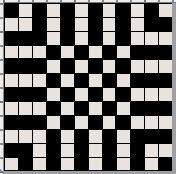

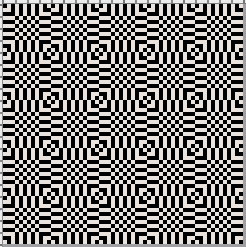 19X19
19X19
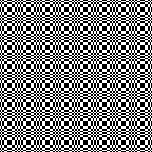 18X18, shown tiled X 9 in both width and height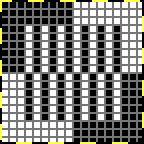

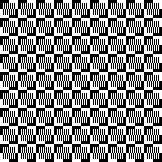 and modified using random
 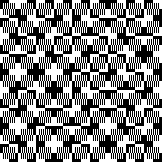 A Ravelry query prompted these designs
22×22

 22X30
22X30
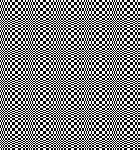 32X32
32X32

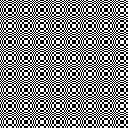 44X54
44X54 
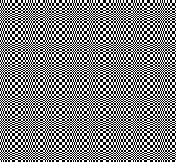 66X60
66X60

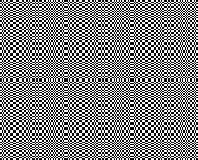 The present series:
20X20
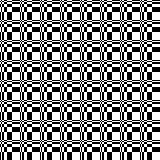
25X23
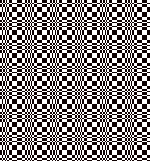
26X23
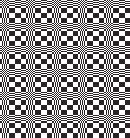
35X35 
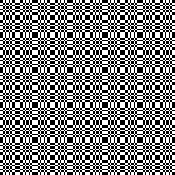 68X68
68X68 
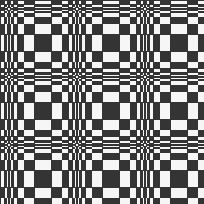 A visit to a quilting blog led to these explorations, beginning with a 20X20 repeat, rotated in 4 directions to be combined in new 40X40 repeats for different movements.


 A first simple 40X40 grouping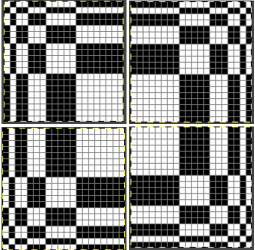
 tiled X5 in width and height, also color reversed to visualize the result with the potential exchange of the yarn positions in the color-changing sequences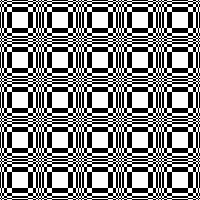
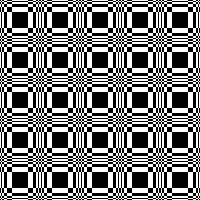 Dividing the repeat in half, color inverting the 20X20 segment on the right,
  combining it with the left half
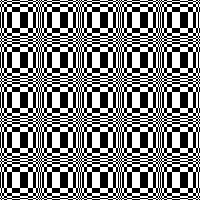
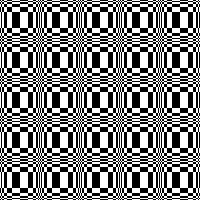 And with color inverted quarter segments
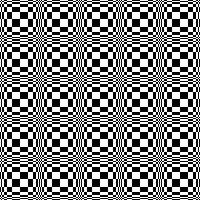
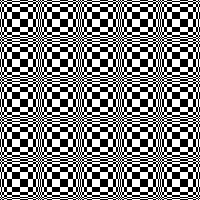 In the following designs, the meeting points are slightly offset.
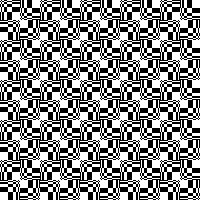
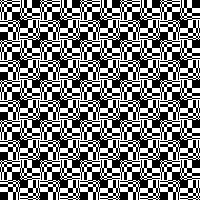 and lastly, aiming for more of a diagonal
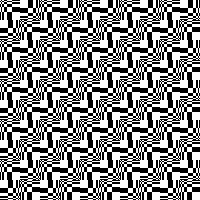
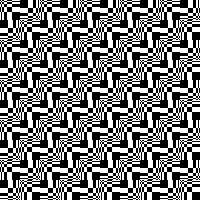 Varying shapes
12X12 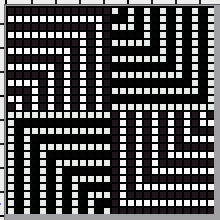
 drawn in repeat X13
 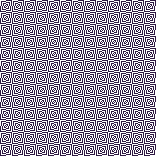 26X26
26X26  drawn in repeat X6
 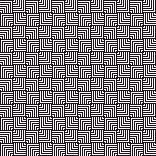 with color inverted quarters
  drawn in repeat X6
 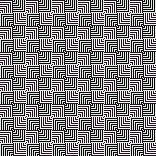 16X16
16X16 drawn in repeat X10
 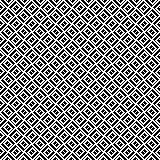 drawn in repeat selecting random
 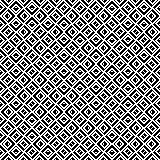 24X24
24X24
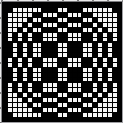

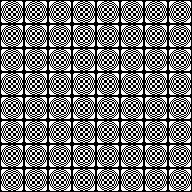 24X20
24X20

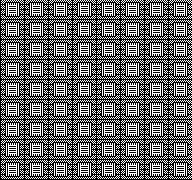 24X24
24X24


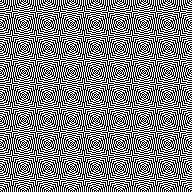 Developing related series, stop or continue, choose a preferred design anywhere along the way
47X47  94X94 with segment rotations
  drawn in repeat X2
 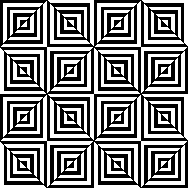 a few rows and columns removed, 43X43
  86X86
86X86
 a series beginning with 68X64 pixels
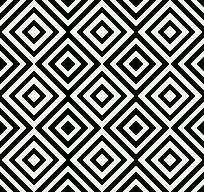

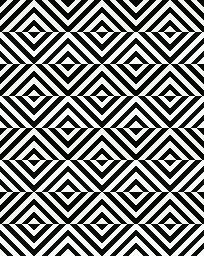

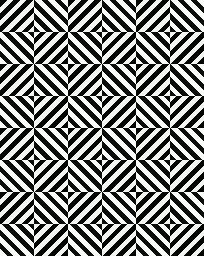

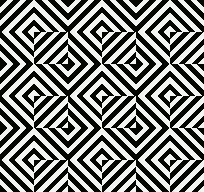 A purposeful effort to create outlines, 22X24
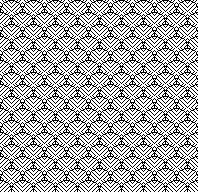 55X59
55X59 
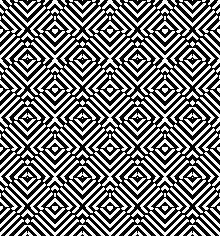 Alternating outline colors, 50X72

 Using pixelated lines to break up blocks
8X28 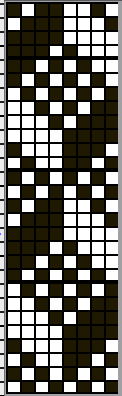

 16X16
16X16  drawn in repeat X10
 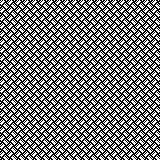 14X14
14X14 drawn in repeat X11
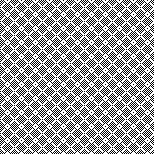 24X24
24X24
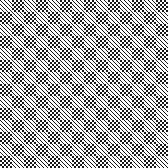 24X24 with quarter-turned segments
 drawn in repeat X7
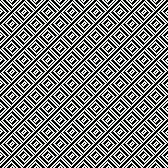 24X47
24X47 
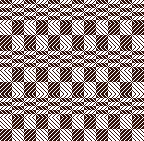 cropped to 24X40, for different symmetry
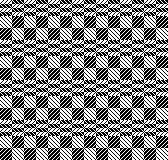 Developing repeats evocative of samplers
48X48 
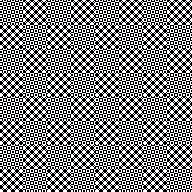 64X64
64X64 
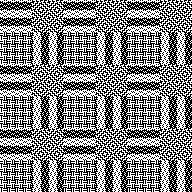 An electronic repeat with shifting angles, 32X32
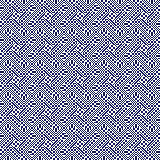 magnified 2X2 for a better view
 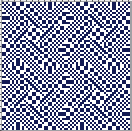 Color inverted quarter segments composing a slightly glitched pattern evocative of tartans, 128X128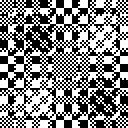
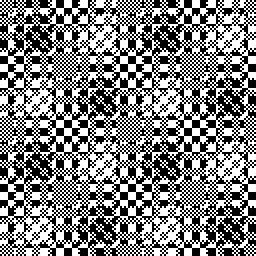 112X112
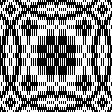
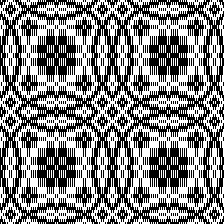 Tiny details, large repeat, 48X98
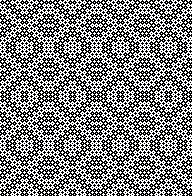 34X140
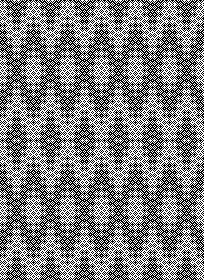 74X74
74X74 
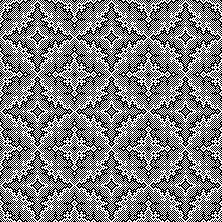 The start of a different potential family, 93X32
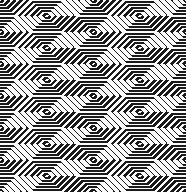 Introducing circles or parts of them to the library, 19X20
  tiledX10
 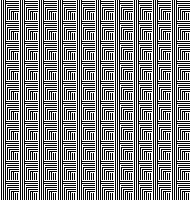 random variations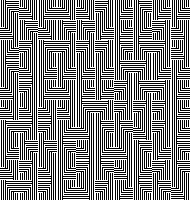
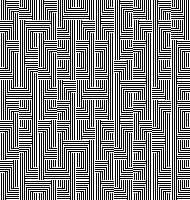 36X40
36X40

trimmed and redrawn to 36X79